


[Original Paper(논문 원본)]
https://papers.ssrn.com/sol3/papers.cfm?abstract_id=1008025
[Paper Summary(논문 요약)]
Key Concepts(주요 개념)
■ Precedent(판례)
- Legal decisions rely on past cases, known as precedents.(법적 결정은 판례라고 불리는 과거 사건들에 의존)
- Precedents provide guidance for judges when resolving new disputes.(판례는 새로운 분쟁을 해결할 때 판사들에게 판단 기준과 지침을 제공)
■ Citation Network(인용 네트워크)
- Cases are modeled as nodes, and citations between cases are links.(판례(또는 사건)들은 노드(정점)로, 판례 간의 인용 관계는 링크(연결선)로 모델링)
- The law can be understood as a network formed by these citation relationships.(법은 이러한 인용 관계에 의해 형성된 하나의 네트워크로 이해할 수 있음)
■ Legal Centrality(법적 중심성)
- Refers to how important or influential a case is within the legal system.(판례(또는 사건)가 법 체계 내에서 얼마나 중요하거나 영향력이 있는지를 의미)
- Measured by how it is embedded in the overall citation network.(이는 해당 판례가 전체 인용 네트워크에서 어떻게 자리 잡고 있는지(포함되어 있는지)에 따라 측정됨)
■ Inward and Outward Citations(내부 및 외부 인용)
- Inward citations(내부 인용): how often a case is cited by later cases(하나의 판례가 이후의 판례들에 의해 얼마나 자주 인용되는지를 뜻함)
- Outward citations(외부 인용): how many prior cases a case cites(하나의 판례가 이전의 판례들을 얼마나 많이 인용하는지를 뜻함)
■ Centrality Measures(중심성 지표)
Traditional(전통적 지표):
- Degree centrality(연결 중심성) (simple citation counts)(단순 인용 횟수를 의미)
- Eigenvector centrality(고유벡터 중심성) (importance of citing nodes)(해당 판례를 인용한 노드(판례)들의 중요도를 반영한 중심성)
Proposed(제안된 지표):
- Inward relevance(내부 관련성) (influence)(영향력을 나타냄)
- Outward relevance(외부 관련성) (foundation in law)(법적 근거 및 토대를 나타냄)
1. Research Objective(연구 목적)
To develop a more accurate method for measuring the legal importance of court cases.(법원의 판례가 갖는 법적 중요성을 더욱 정확하게 측정할 수 있는 방법을 개발하고자 함. 구체적으로 저자들이 목표로 하는 바는 다음과 같음)
Specifically, the authors aim to:
- Improve upon simple citation counts(단순 인용 횟수 측정 방식의 개선)
- Use network analysis to capture deeper structural relationships(네트워크 분석을 통한 더 깊은 구조적 관계의 포착)
- Provide a reliable and valid measure of case importance(판례 중요성에 대한 신뢰할 수 있고 타당한 측정 지표 제공)
2. Research Methodology(연구 방법)
1. Data Construction(데이터 구축)
- Dataset(데이터셋):
- 26,681 U.S. Supreme Court decisions (1791–2005)(26,681건의 미국 연방 대법원 판결문 (1791년~2005년))
- Source(출처):
- Shepard’s Citations(셰퍼드 인용 색인 (Shepard’s Citations))
- Resul(결과)t:
- A complete citation network of Supreme Court cases(연방 대법원 판례의 완전한 인용 네트워크 구축)
2. Network Modeling(네트워크 모델링)
- Nodes(노드) = court cases(법원의 판례(사건))
- Directed links(방향성 링크) = citations(판례 간의 인용 관계)
- The network reflects the structure of legal precedent(이 네트워크는 법적 선례의 구조를 반영)
3. Existing Measures Evaluation(기존 측정 지표 평가)
- Degree centrality(연결 중심성):
- Measures importance by citation frequency(인용 빈도를 통해 중요도를 측정)
- Limitation(한계): ignores citation quality(인용의 질(quality)을 고려하지 않음)
- Eigenvector centrality(고유벡터 중심성):
- Considers importance of citing cases(인용하는 판례들의 중요도까지 고려)
- Limitation(한계): ignores outward citations and time bias(외부 인용(outward citations)을 고려하지 않으며, 시간적 편향(time bias) 문제가 존재)
4. Proposed Method (Core Contribution)(제안된 방법론 (핵심 기여))
The authors introduce a dual centrality model based on Kleinberg’s framework(저자들은 클라인버그(Kleinberg)의 프레임워크를 기반으로 한 이중 중심성 모델(dual centrality model)을 도입함):
- Inward relevance(내부 관련성):
- A case is important if cited by important cases(중요한 판례들로부터 인용된 판례일수록 중요)
- Outward relevance(외부 관련성):
- A case is important if it cites important cases(중요한 판례들을 인용한 판례일수록 중요)
▶ These two measures are mutually reinforcing(이 두 지표는 상호 보완적(상호 강화적)):
- Influential cases are cited by well-grounded cases(영향력 있는 판례는 법적 근거가 탄탄한 판례들에 의해 인용)
- Well-grounded cases cite influential cases(법적 근거가 탄탄한 판례는 영향력 있는 판례들을 인용)
5. Validation Method(검증 방법 방법론)
- Statistical analysis(통계 분석):
- Negative binomial regression(음이항 회귀 분석 (Negative binomial regression))
- Outcome variable(결과 변수):
- Future citations by courts(향후 법원들에 의해 인용되는 횟수 (Future citations))
▶ Goal(목표):
- Test whether the proposed measures predict future influence better than existing metrics(제안된 지표가 기존 지표들보다 미래의 영향력을 더 잘 예측하는지 검증하는 것)
3. Key Findings(주요 연구 결과)
1. Network Structure(네트워크 구조)
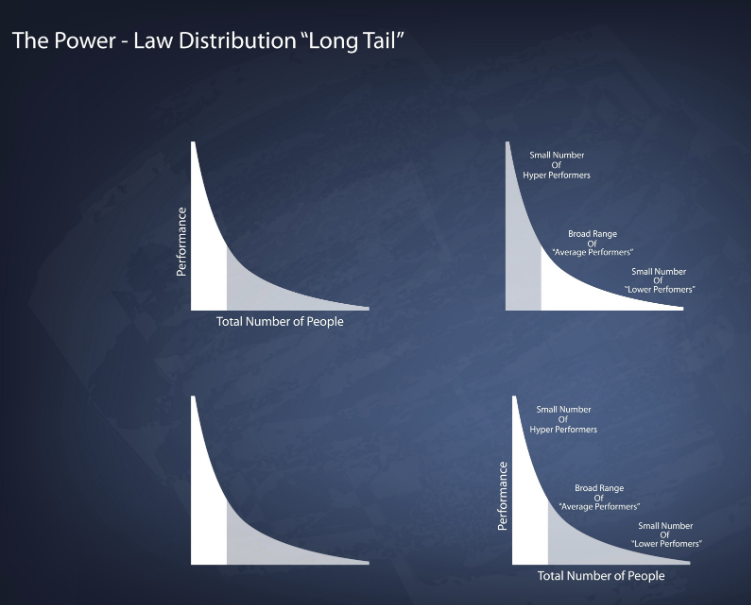
- The citation network follows a skewed distribution(인용 네트워크는 왜도(비대칭도)가 높은 분포를 따름):
- A few cases receive many citations(소수의 판례가 대다수의 인용을 받음)
- Most cases receive few citations(부분의 판례는 인용을 거의 받지 못함)
[거듭제곱 법칙 분포의 ‘긴 꼬리’ (롱테일)]
- 인용 네트워크를 나타내는 방향성 그래프 이미지
- 네트워크 분석의 중심성 지표들을 나타내는 다이어그램 이미지
- HITS 알고리즘의 허브(Hubs)와 권위(Authorities)를 나타내는 다이어그램 이미지
Resource(출처): Shutterstock
2. Limitations of Simple Citation Counts(단순 인용 횟수 측정의 한계)
- Citation counts alone do not capture(단순히 인용된 횟수만으로는 다음의 요소들을 포착할 수 없음):
- The quality of citations(인용의 질, 해당 인용이 얼마나 가치 있고 중요한지 판단하지 못함)
- The position of a case within the network(네트워크 내 판례의 위치, 해당 판례가 전체 인용 네트워크 구조 속에서 어떤 위치를 차지하고 있는지 파악하지 못함)
3. Superiority of the Proposed Measures(제안된 지표의 우수성)
- Inward and outward relevance(내부 관련성 및 외부 관련성 지표):
- Perform better than traditional measures(기존의 전통적인 측정 지표들보다 더 우수한 성능을 나타냄)
- Provide stronger predictive power for future citations(후 다른 판례들에 의해 인용될 확률(미래의 인용 횟수)에 대해 더 강력한 예측력을 제공함)
4. Strong Predictive Effects(강력한 예측 효과)
- Increasing inward relevance significantly raises(내부 관련성(inward relevance) 지표가 높아질수록 다음의 확률이 크게 상승):
- The probability of a case being cited in the future(해당 판례가 향후에 인용될 확률)
- These effects are larger than those of(이러한 예측 효과는 다음 지표들이 가진 효과보다 더 큼):
- Citation counts(단순 인용 횟수)
- Other importance indicators(기타 중요도 지표들)
5. Key Insight(핵심 통찰)
Not all citations are equal(모든 인용이 동등한 가치를 가지는 것은 아님)
- Being cited by important cases matters more than being cited frequently(자주 인용되는 것보다 중요한 판례들에 의해 인용되는 것이 훨씬 더 중요)
4. Conclusions and Implications(결론 및 시사점)
1. Main Conclusion(주요 결론)
- Legal importance can be effectively measured using network-based methods(례의 법적 중요성은 네트워크 기반 방법론을 통해 효과적으로 측정될 수 있음)
- The proposed measures outperform traditional approaches(본 연구에서 제안된 지표들은 기존의 전통적인 접근 방식들보다 더 우수한 성능을 보여줌)
2. Theoretical Implications(이론적 함의)
- Law should be understood as a network of interconnected cases(법은 상호 연결된 판례들의 네트워크로 이해되어야함)
- Legal importance is inherently relational(법적 중요성은 본질적으로 관계적(relational)인 성격을 띔)
3. Methodological Contribution(방법론적 기여)
- Introduces a new, more robust measure of centrality(더욱 강력하고 신뢰할 수 있는(robust) 새로운 중심성 측정 지표를 도입)
- Demonstrates the value of network analysis in legal studies(법학 연구에서 네트워크 분석이 지닌 가치와 유용성을 입증)
4. Practical Implications(실무적 함의)
- Helps identify influential precedents(영향력 있는 선례를 정확하게 식별하는 데 도움을 줌)
- Improves legal research and case analysis9법률 연구 및 판례 분석의 효율성을 향상)
- Enables prediction of future legal relevance(향후 해당 판례가 가질 법적 관련성(중요도)을 예측할 수 있게 함)
5. Future Research Directions(향후 연구 방향)
- Study how precedents are overruled(판례가 어떻게 파기(overruled)되는지에 대한 연구)
- Analyze judicial behavior in citation practices(판례 인용 관행에 나타나는 사법부의 행동(법관의 성향 등) 분석)
- Compare legal networks with other complex systems(법률 네트워크와 다른 복잡계(complex systems) 네트워크의 비교 분석)